


About Us
Stressors are inevitable—whether from financial worries, conflicts with loved ones, or feeling like there’s never enough time. While we can’t always control their timing or severity, we can control how we respond. Learning positive stress management strategies helps prevent stressors from harming our mental wellness.
Mental wellness is often overlooked, yet it’s deeply connected to physical health and social relationships. Improving overall health requires giving mental wellness the attention it deserves.
The goal of the Mental Wellness Conversation Curriculum Project is simple: normalize mental wellness conversations, reduce stigma, and make it easier for people to seek help or connect.
This project equips community volunteers to share evidence-based stress management tools through informal, judgment-free conversations. The Mental Wellness Conversation Curriculum includes two parts: a standard deck of playing cards and a companion facilitation guide to support meaningful discussions about mental wellness.
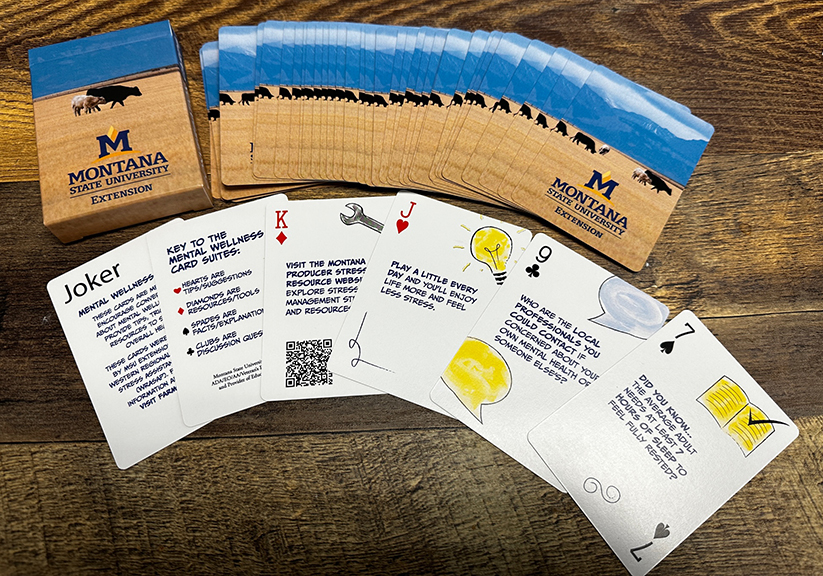
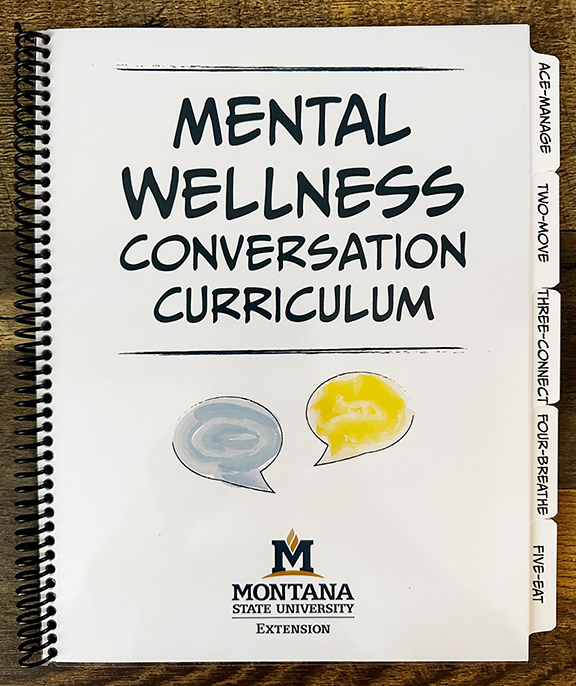
Each of the 13 cards in the deck introduces a positive stress management tool/theme. For example, Eights focus on hydration—explaining its role in mental wellness and offering practical tips.
Aces – Manage
Twos – Move
Threes – Connect
Fours – Breathe
Fives – Eat
Sixes – Reduce
Sevens – Sleep
Eights – Hydrate
Nines – Get Help
Tens – Relax
Jacks – Play
Queens – Calm
Kings – Learn
Each suit adds a unique angle:
Hearts – Tips & suggestions
Diamonds – Resources
Spades – Information
Clubs – Discussion questions
All content is research-based. The companion facilitation guide expands each theme with examples, resources, and three discussion questions per section to spark conversation.
Interested in volunteering as a mental wellness advocate? Learn how you can become a facilitator
Meet the Team
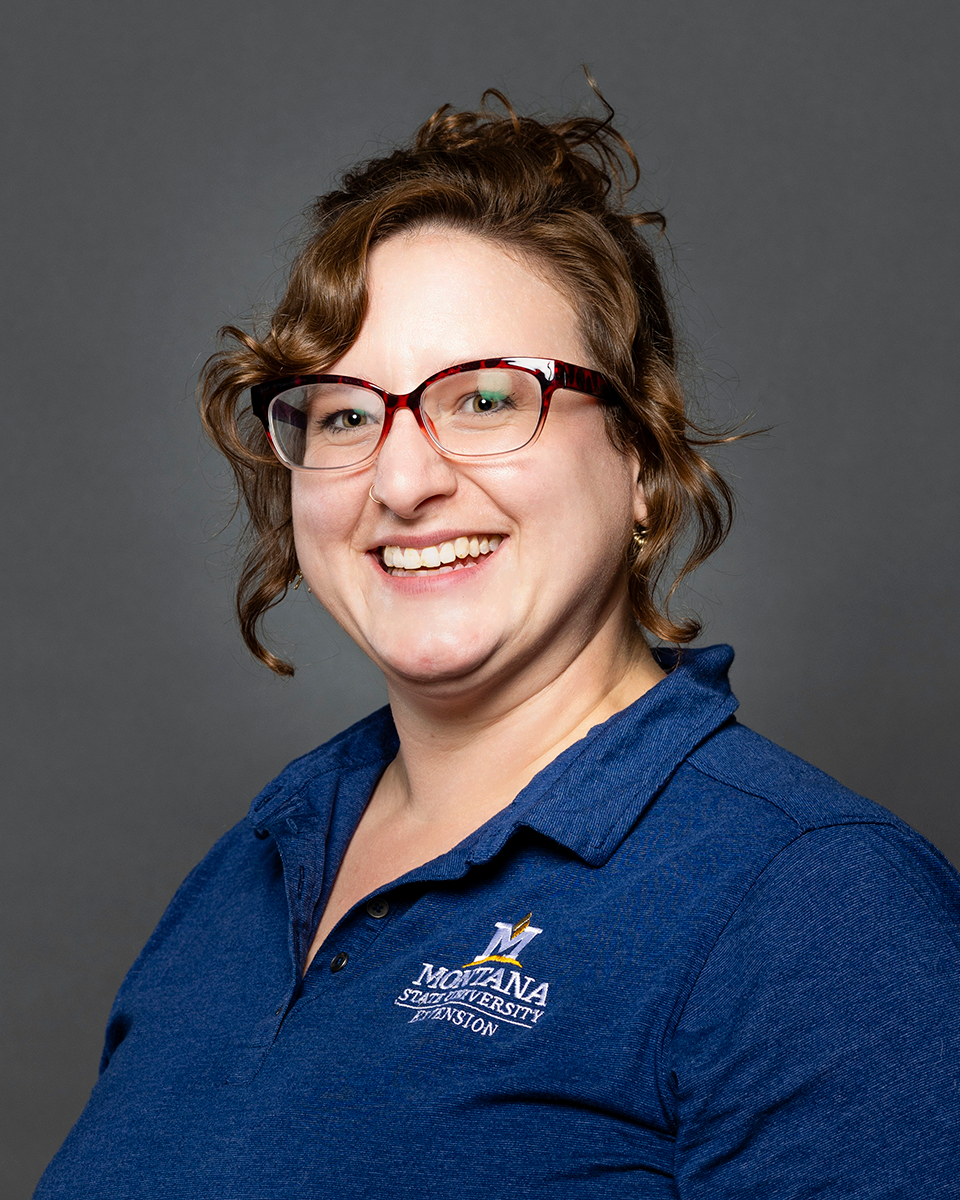
Alison Brennan, Ph.D.
MWCC Curriculum Developer
Mental Health Specialist for MSU Extension
Associate Professor, Department of Human Development and Community Health
Herrick Hall 316D
(406) 994-4148
alison.brennan@montana.edu
Dr. Alison Brennan is a Developmental Scientist—an expert in the science of human lifespan development—who broadly focuses on promoting mental health through bolstering stress management and coping skills, improving understanding of signs and symptoms of mental health challenges, and encouraging help-seeking from professionals if/when someone could benefit from professional services. She instructs evidence-based training programs including Mental Health First Aid (MHFA) and Question, Persuade, Refer (QPR) suicide prevention. She has been working on the issue of farm and ranch stress since her postdoc fellowship (2017-2019) with the North Central Regional Center for Rural Development (Michigan State University). On her mother’s side of the family, agricultural production is a 4th generation enterprise. She hopes to someday have acreage so that she and her husband can expand their hobby fiber-production activities to commercial scale. She is passionate about gardening and recently completed the Horticultural Therapy Institute's certificate program in Horticultural Therapy.

Michelle Grocke-Dewey, Ph.D.
MWCC Curriculum Developer
Health & Wellness Specialist for MSU Extension
Associate Professor, Department of Human Development and Community Health
Herrick Hall 316B
(406) 994-4711
michelle.grocke@montana.edu
Utilizing Anthropological methods and theories, Dr. Michelle Grocke-Dewey's research works to uncover social determinants of health causing health inequities. Michelle has a split appointment between the Department of Human Development and Community Health and MSU Extension, which allows her to incorporate elements of education and outreach into all of her research projects. Her current research initiatives include a USDA funded regional project that investigates the sources of stress and lived experience of farmers and ranchers as a means to develop helpful outreach strategies to assist them in better managing their stress, a NIH funded project geared toward improving the built environment in various rural Montana communities as a facilitator of physical activity promotion, and a project investigating how mothers conceptualize invisible work as a way to better understand tangible strategies to increase well-being for parents. Once of the outreach projects Michelle co-developed is the Mental Wellness Conversation Curriculum.
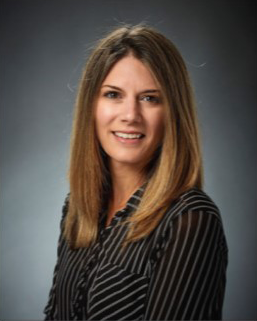
Jennifer Munter, M.S.
MWCC Program Manager
Herrick Hall 316A
(406) 994-6969
jennifermunter@montana.edu
Hello and welcome! I’m Jennifer Munter, and I’m thrilled you’ve visited our program webpage. I’ve worked at Montana State University for five years, primarily with Extension programs, including the Rural Opioid Technical Assistance Program, SNAP-Ed and EFNEP Nutrition Education, the Alzheimer’s Storybook Program, and now the Mental Wellness Conversation Curriculum. I also serve as an Adjunct Professor in the Community Health and Human Development Department.
Before MSU, I spent 15 years as an early childhood educator, operating a preschool and daycare in my hometown of O’Neill, Nebraska. Growing up on a farm and ranch shaped my passion for supporting rural communities. My goal is to bring research-based education and Extension programming to Montana, strengthening the well-being of individuals and families across the state.
I would be happy to share information about our program! Please reach out to me anytime.
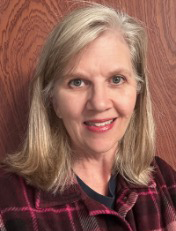
Lorelyn (Lori) Mayr, B.S.
Graphic Designer and Illustrator
Owner, Media Works, LLC
Bozeman, Montana
lorelyn.mayr@montana.edu
Lorelyn (Lori) has worked as a graphic designer/illustrator since 2012. She worked at Montana State University for MSU Extension for five years, and was very involved with the development of the Mental Wellness Conversation Curriculum. Lori 's family includes three college-aged children (two at MSU, one at UM), her husband, two dogs and a cat. In her spare time Lori likes to hike with her family and dogs.